
Dutch Bros Drinks Vs Homemade Smoothies: What’s the Better Choice?

I didn’t realize how much money I was spending on store drinks until I finally tried blending a simple smoothie at home.
And once I saw how fast the flavor and texture came together, I started wondering why the difference feels so noticeable between the two.
Dutch Bros Drinks Vs Homemade Smoothies compares flavor, ingredients, and nutrition. Made with fruit, milk, or yogurt, most smoothies range from 150 to 450 calories and come together in minutes, helping you choose the option that fits your budget and goals.
Homemade smoothies provide flexibility, lower cost, and ingredient control. Dutch Bros offers fast service and consistent flavors. A simple rule is to blend at home when you want control and stop at Dutch Bros when you want convenience.
Quick Comparison Overview
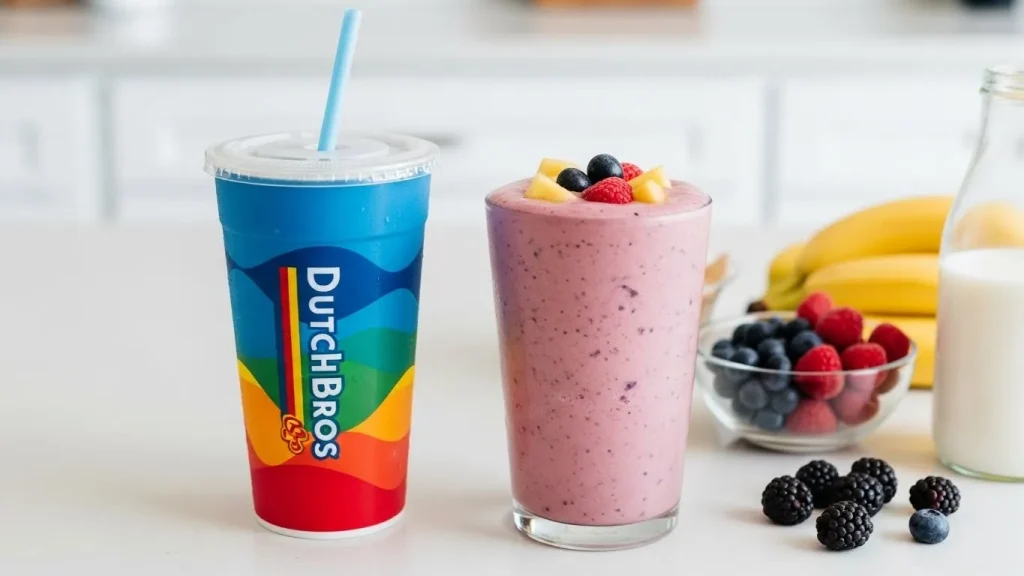
If you have ever wondered whether a Dutch Bros smoothie or a homemade blend fits better into your day, you are not alone. Most people compare them based on calories, sugar, flavor, and cost. A drive-thru drink feels effortless, while a homemade smoothie gives you full control over ingredients and portions.
For nutrition details on store drinks, the Dutch Bros nutrition menu can help you compare flavors.
What Is in a Dutch Bros Smoothie?
Dutch Bros smoothies use a fruit purée base, ice, and a creamy blend that keeps texture consistent. The purée is already sweetened, which explains the higher sugar levels in many flavors.
For lighter options, this guide to healthy and kid-friendly Dutch Bros smoothies is useful.
Common flavors include Strawberry, Mango, and Green Apple. Add-ins like whip, syrups, or soft top quickly increase calories and sweetness.
What Goes Into a Homemade Smoothie
A homemade smoothie usually uses a liquid, fruit, and something creamy such as yogurt or banana. Frozen fruit blends well and removes the need for ice.
Basic building blocks:
• Fruit (fresh or frozen)
• Liquid (milk, almond milk, water, or juice)
• Yogurt or banana for creaminess
• Optional oats, chia seeds, or protein powder
You can match flavors you already enjoy by browsing the Dutch Bros smoothie menu for inspiration.
Side-by-Side Comparison
Nutritional, Flavor, and Cost Overview
| Feature | Dutch Bros Smoothies | Homemade Smoothies |
|---|---|---|
| Calories | Moderate to high | Fully adjustable |
| Sugar | Higher due to sweetened base | Depends on fruit amount |
| Protein | Usually low | Easily boosted with yogurt or powder |
| Flavor | Consistent and dessert-like | Natural, varies by fruit |
| Cost | Higher per drink | Lower per serving |
| Convenience | Easy on the go | Fast at home |
| Customization | Limited | Unlimited |
Flavor and Texture
Dutch Bros maintains a predictable flavor because their base is pre-mixed. Homemade smoothies taste more like natural fruit and change depending on ripeness and your ingredient choices.
Convenience and Time
Dutch Bros is convenient when driving or running errands. A homemade smoothie uses simple ingredients and takes only a few minutes, including prep and cleanup.
Benefits of Homemade Smoothies
Homemade smoothies give you full control over sugar, calories, and ingredients. They work well for weight management, balanced breakfasts, or snack-style drinks. You can tailor them for dairy-free diets, higher protein, or added fiber.
Freezer smoothie bags reduce prep time and let you blend quickly on busy mornings.
When Dutch Bros Might Be the Better Choice
Dutch Bros is helpful when you want a consistent flavor or a cold drink without any prep at home. Seasonal flavors from the Dutch Bros seasonal menu offer variety that is harder to recreate in a home blender.
Kid-friendly options and predictable taste also make it a simple choice during errands or travel.
Beginner Smoothie Basics (How to Make One Fast)
This beginner-friendly smoothie is quick, simple, and flexible. It blends in minutes, uses everyday ingredients, and works with any frozen fruit you have at home.

| Servings | 1 smoothie |
| Prep Time | 3 minutes |
| Blend Time | 1 minute |
| Total Time | 4 minutes |
| Recipe Category | Smoothie, Beverage, Breakfast |
| Cuisine | American |
Keywords: beginner smoothie, easy fruit smoothie, frozen fruit smoothie, quick smoothie recipe, healthy smoothie, breakfast smoothie
Ingredients
• 1 cup frozen fruit (strawberries, blueberries, mango, or mixed fruit)
• 1 cup liquid (milk, almond milk, oat milk, or water)
• ½ medium banana or ¼ cup yogurt
• Optional: 1 tablespoon oats, 1 teaspoon chia seeds, 1 scoop protein powder, or honey to taste
Instructions
- Pour your liquid into the blender.
- Add the frozen fruit.
- Add the banana or yogurt.
- Add any optional ingredients.
- Blend until smooth.
- Adjust texture as needed:
• Add more frozen fruit for thickness
• Add more liquid for a thinner drink
Tips
• Frozen fruit creates the best texture without needing ice.
• Slightly thaw the fruit for easier blending if your blender is weaker.
• Add oats or protein powder to turn this into a light meal.
Estimated Nutrition (per serving)
(Varies depending on fruit and liquid chosen)
• Calories: ~180–240
• Protein: ~4–10 g
• Carbohydrates: ~35–45 g
• Fat: ~1–4 g
• Fiber: ~3–5 g
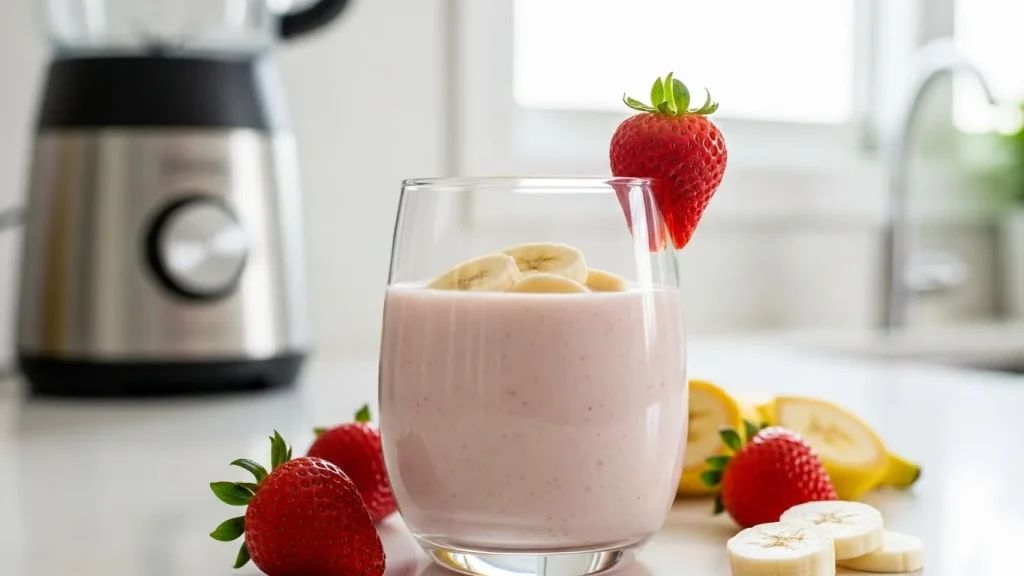
Three-Ingredient Strawberry Banana Smoothie
A simple, dependable smoothie made with only strawberries, banana, and milk. Perfect for beginners who want a creamy, classic flavor in minutes.
Recipe Details
| Recipe Details | Information |
|---|---|
| Servings | 1 smoothie |
| Prep Time | 3 minutes |
| Blend Time | 1 minute |
| Total Time | 4 minutes |
| Recipe Category | Smoothie, Beverage, Breakfast |
| Cuisine | American |
Ingredients
• 1 cup frozen strawberries
• ½ medium banana
• 1 cup milk (or almond milk)
Instructions
- Add milk to the blender.
- Add frozen strawberries and banana.
- Blend until smooth and creamy.
- Add more milk for a thinner smoothie or more frozen strawberries for thickness.
Estimated Nutrition (per serving)
• Calories: ~180–220
• Protein: ~6–8 g
• Carbohydrates: ~32–40 g
• Fat: ~2–4 g
• Fiber: ~3–4 g
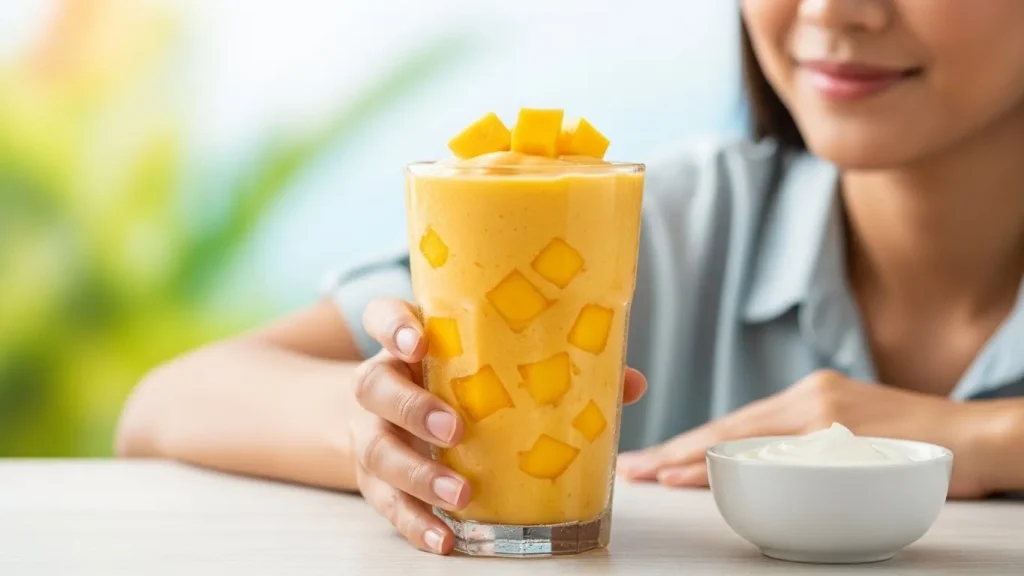
Mango Yogurt Smoothie
This creamy mango yogurt blend takes only a few ingredients and makes a refreshing, tropical-style smoothie with a thick texture.
Recipe Details
| Recipe Details | Information |
|---|---|
| Servings | 1 smoothie |
| Prep Time | 3 minutes |
| Blend Time | 1 minute |
| Total Time | 4 minutes |
| Recipe Category | Smoothie, Beverage, Breakfast |
| Cuisine | American |
Ingredients
• 1 cup frozen mango
• ¼ cup yogurt
• ¾–1 cup water (or milk for a creamier version)
Instructions
- Add water or milk to the blender.
- Add frozen mango and yogurt.
- Blend until smooth and thick.
- Add more liquid if needed for blending.
Estimated Nutrition (per serving)
• Calories: ~160–210
• Protein: ~4–7 g
• Carbohydrates: ~30–38 g
• Fat: ~1–3 g
• Fiber: ~2–3 g
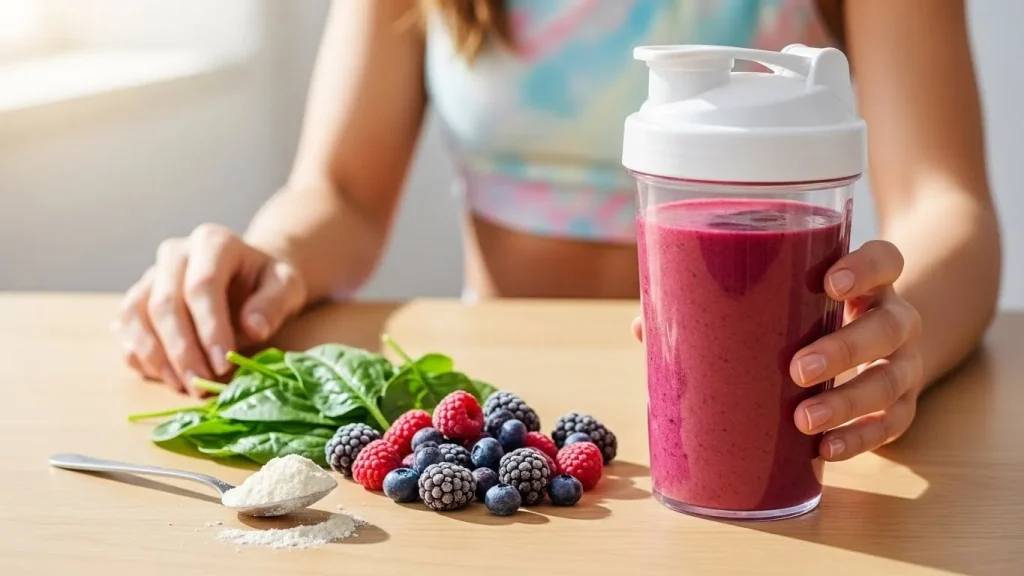
Protein Berry Smoothie for Weight Loss
A light, high-protein berry smoothie designed for filling energy with fewer calories. Spinach adds volume and nutrients without changing flavor.
Recipe Details
| Recipe Details | Information |
|---|---|
| Servings | 1 smoothie |
| Prep Time | 3 minutes |
| Blend Time | 1 minute |
| Total Time | 4 minutes |
| Recipe Category | Smoothie, Beverage, Healthy |
| Cuisine | American |
Ingredients
• 1 cup frozen mixed berries
• 1 scoop protein powder (vanilla or unflavored)
• 1 cup almond milk
• Optional: 1 handful spinach for extra fiber
Instructions
- Pour almond milk into the blender.
- Add frozen berries.
- Add protein powder.
- Add spinach if using.
- Blend until smooth and thick.
Estimated Nutrition (per serving)
• Calories: ~170–230
• Protein: ~18–24 g
• Carbohydrates: ~20–28 g
• Fat: ~2–4 g
• Fiber: ~4–6 g
Best Smoothie Combinations
• Strawberry banana
• Mango pineapple
• Blueberry peach
• Mixed berry yogurt
• Banana oatmeal
• Chocolate protein banana
• Pineapple coconut
• Peach raspberry
• Spinach banana apple
• Strawberry mango
Choosing the Right Option for Your Routine
If you want more control over ingredients and cost, homemade smoothies are a better choice. If convenience and consistent flavor matter more, Dutch Bros is the easier option.
Your schedule, nutrition goals, and taste preference will guide the best fit.
Flavor Science: Why Smoothies Taste Different at Home vs Dutch Bros
1. Sweetness Changes With Temperature
Cold drinks mute sweetness by nearly 10–15%, which is why Dutch Bros uses concentrated fruit purée.
• Purée stays sweet even when blended with ice
• Frozen fruit at home lowers sweetness unless you add banana, yogurt, or honey
2. Fruit Purée vs Real Fruit
Dutch Bros uses commercial fruit bases with consistent sugar levels.
Homemade smoothies depend on ripeness and season, so flavor varies.
• Purée sugar levels: consistent
• Fresh fruit sugar levels: unpredictable
3. Blending Power and Flavor Release
High-speed shop blenders slightly warm the purée through friction, boosting aroma release.
• Aroma = major driver of perceived flavor
• Home blenders run cooler, so flavor feels lighter
4. Ice Dilution vs Frozen Fruit
Dutch Bros blends with ice and a strong purée concentrate.
Homemade smoothies use frozen fruit, which thickens but reduces flavor intensity.
• Ice lowers thickness but keeps flavor bold
• Frozen fruit increases thickness but mutes flavor until slightly softened
Quick Comparison Table
| Factor | Dutch Bros Smoothie | Homemade Smoothie |
|---|---|---|
| Sweetness Level | Higher and consistent | Depends on fruit condition |
| Texture | Smooth, café-style | Thick and natural |
| Blending Power | Commercial-grade | Standard home blender |
| Dilution | Ice + purée | Frozen fruit |
| Flavor Variation | Low | High |
Budget Snapshot: Real Cost per Smoothie at Home vs Dutch Bros
1. Average Ingredient Costs at Home
Typical grocery prices in the United States:
• Frozen fruit: $3.50–$5 per 16 oz bag (about 2–3 smoothies)
• Milk or almond milk: $0.25–$0.40 per serving
• Banana or yogurt: $0.20–$0.60 per serving
• Optional add-ins (oats, chia, protein): $0.05–$1 per serving
2. Real Price Range at Dutch Bros
Prices vary by size and location:
• Small smoothie: $4–$5
• Medium smoothie: $5–$6
• Large smoothie: $6–$7+
• Add-ins, soft top, or drizzles increase cost
3. Cost Comparison Table
| Type of Smoothie | Estimated Cost Per Serving | Notes |
|---|---|---|
| Homemade Basic Smoothie | $1.10–$1.80 | Based on frozen fruit, milk, and banana or yogurt |
| Homemade With Protein | $1.80–$2.80 | Depends on protein powder brand |
| Dutch Bros Small | $4–$5 | Uses fruit purée base |
| Dutch Bros Medium | $5–$6 | Most popular size |
| Dutch Bros Large | $6–$7+ | Highest cost and calories |
4. Cost Savings Breakdown
• Making smoothies at home saves roughly 60–75% per drink
• Weekly savings (5 smoothies): $15–$25
• Monthly savings (20 smoothies): $60–$100+
Smart Smoothie Builder: A Quick Personal Checklist
Use this checklist to figure out whether a Dutch Bros smoothie or a homemade blend fits your day.
1. Flavor Priorities
□ I want a bold, dessert-style flavor
□ I prefer natural fruit sweetness
□ I want consistent flavor every time
□ I like adjusting flavors depending on what I have
2. Sugar Control
□ I want full control over sugar
□ I’m okay with pre-sweetened purée
□ I want lower-sugar options
□ I don’t mind a sweeter café-style drink
3. Convenience Level
□ I need something fast while driving
□ I have 3–4 minutes to blend at home
□ I want a grab-and-go option
□ I prefer prepping ingredients ahead
4. Nutrition Goals
□ I want more protein
□ I want fewer calories
□ I want a filling breakfast
□ I want a kid-friendly drink
5. Budget and Frequency
□ I want the cheapest option
□ I’m okay with café pricing
□ I buy smoothies daily
□ I only drink them occasionally
Quick Decision
• Mostly checked Dutch Bros boxes → pick a café smoothie
• Mostly checked homemade boxes → blend at home for better control
• Mixed results → alternate based on the day
Hidden Sugar Traps: Myth vs Fact
Myth 1: Fresh Fruit Smoothies Are Always Low Sugar
Fact: Fruit contains natural sugars, and large portions can match or exceed café sugar levels.
Myth 2: Café Smoothies Always Use Real Fruit
Fact: Many cafés use sweetened purées or syrups to keep flavor consistent.
Myth 3: Ice Lowers Sugar
Fact: Ice dilutes flavor but does not lower sugar content; purée concentration stays the same.
Myth 4: Yogurt Always Makes a Smoothie Healthier
Fact: Sweetened yogurt can add 8–12 grams of extra sugar per serving.
Myth 5: Banana Makes Any Smoothie “Healthy”
Fact: Banana boosts texture but adds 14 grams of natural sugar. Great for creaminess, not if you’re cutting sugar.
What to Watch For
• Sweetened purées
• Large fruit portions
• Sweetened yogurt
• Extra syrups or drizzles
• Oversized cups
Morning Routine Examples: When Each Option Actually Makes Sense
1. Busy Workday Morning
You’re rushing out the door with no time for cleanup.
• Dutch Bros fits better here
• Grab a small smoothie or lighter option
• Save homemade blending for slower days
2. Post-Workout Smoothie
You want protein and control over calories.
• Homemade wins this one
• Add protein powder, berries, and almond milk
• Adjust thickness based on your workout appetite
3. Weekend Treat Break
You want something fun and sweet without making a mess.
• Dutch Bros works well on relaxed days
• Try a seasonal flavor or kid-friendly classic
• Use homemade smoothies during the week to balance cost
Quick Routine Guide
• On-the-go days: Dutch Bros
• Nutrition-focused days: Homemade
• Treat days: Dutch Bros
• Meal-replacement days: Homemade
Healthy Swap Chart
Swap simple ingredients to cut sugar, boost protein, or keep creaminess. Tap a card for quick tips.
Cut added sugar, boost protein
≈ −8–12g sugar, +6–10g protein
Reduce liquid sugar, lower calories
≈ −20–40 kcal, −5–10g sugar per cup
Less added sugar, more fiber
Lower added sugar, +1–3g fiber
Keep creaminess, reduce fat and added sugar
≈ −50–150 kcal, lower saturated fat
Lower sugar and calories; lactose-free option
≈ −20–60 kcal, −6–10g sugar
Add flavor without sugar
0 kcal, flavor boost